Tourism
May 12, 2026
Albania Records 3.2 Million Visitors in Q1 2026 — Up 34% Year-on-Year
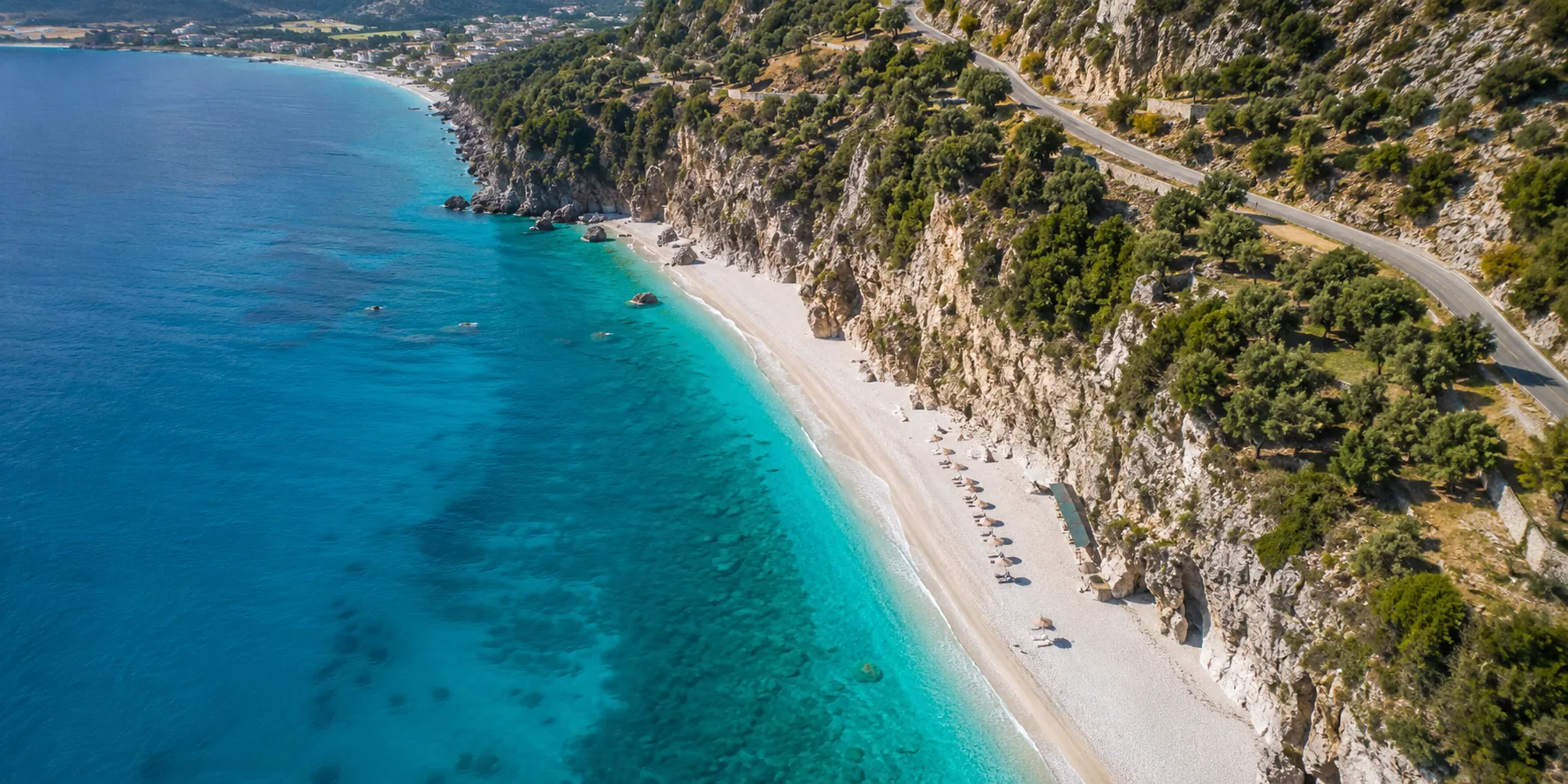
Albania's National Tourism Agency has confirmed a record-breaking first quarter, with 3.2 million international arrivals between January and March 2026 — a 34 percent increase over the same period last year. The milestone cements Albania's position as the fastest-growing tourism market in the Mediterranean basin for the third consecutive year.
The surge has been driven by several converging factors. New direct air routes from London, Berlin, and Paris have dramatically improved accessibility, while the expansion of hotel capacity along the Albanian Riviera — including four new boutique properties in Dhermi and Himara — has increased the country's ability to absorb growing demand without compromising the uncrowded experience that visitors prize.
Tirana has emerged as a standout performer, with the capital recording a 42 percent increase in overnight stays. The city's transformation into a digital nomad hub, combined with a flourishing restaurant scene and nightlife district in Blloku, has attracted a younger demographic of longer-stay visitors who spend more per trip than traditional tourists. The government projects full-year arrivals could exceed 12 million for the first time in 2026.
Investment
May 8, 2026
EU Accession: Albania Completes Second Negotiating Cluster
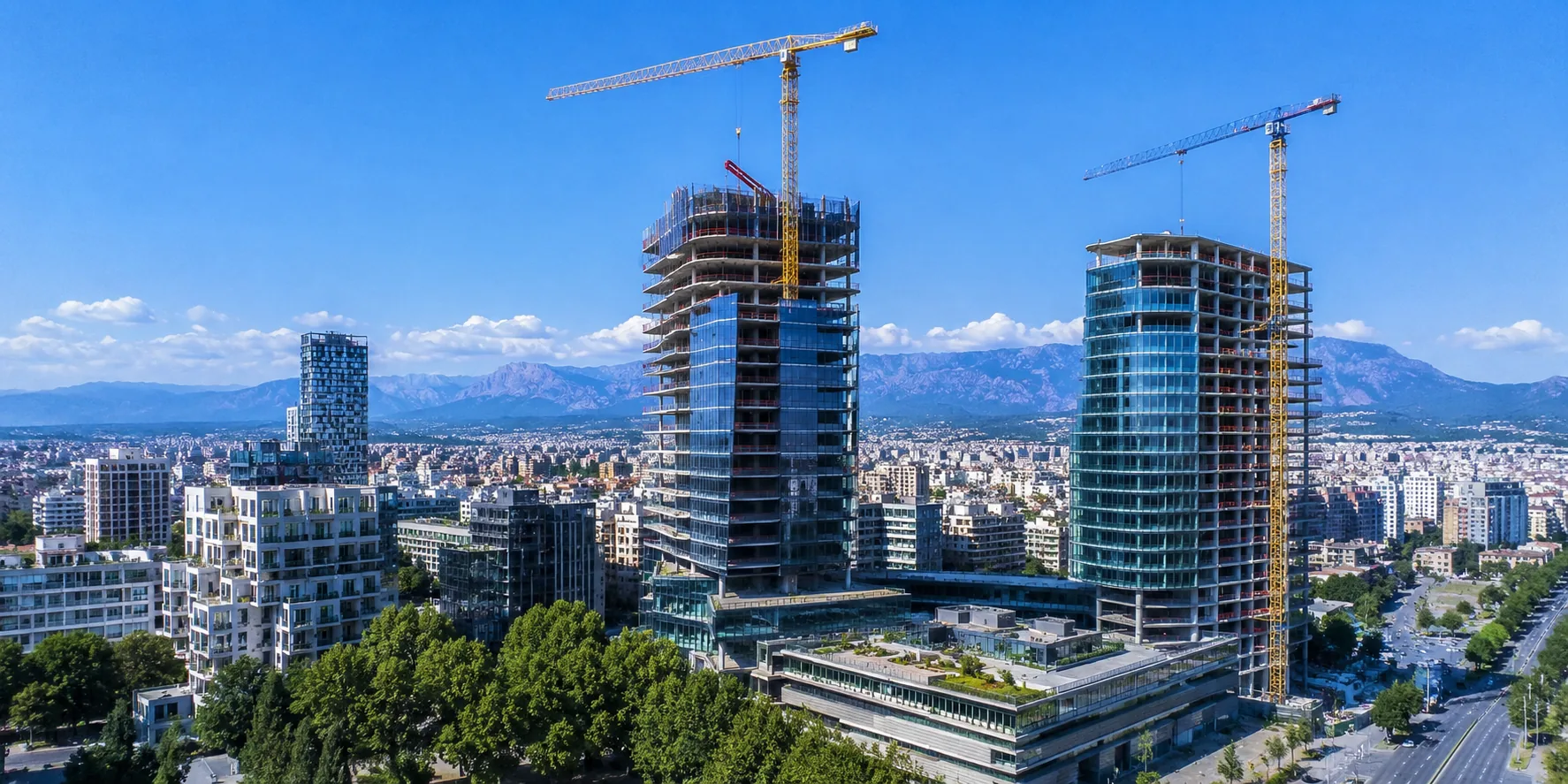
Albania has provisionally closed two additional negotiating chapters in its European Union accession process, completing the second of six clusters that define the path to membership. The chapters on judiciary reform and public administration were closed following a positive assessment by the European Commission, which noted "significant and sustained progress" in both areas.
The achievement makes Albania the fastest-progressing candidate among the Western Balkan nations, ahead of North Macedonia, Serbia, and Montenegro in the accession timeline. Analysts at the European Policy Centre in Brussels now consider 2030 EU membership "plausible rather than aspirational" — a shift from the scepticism that characterized earlier assessments.
For investors, the implications are substantial. EU accession negotiations have already driven improvements in contract enforcement, intellectual property protection, and financial transparency that directly benefit foreign businesses. The harmonization of Albanian commercial law with EU standards has reduced regulatory friction for European companies establishing operations in the country, while the prospect of eventual single-market access adds long-term strategic value to investments made today.
The 15 percent flat corporate tax rate — among the lowest in Europe — remains a key incentive, and the government has signaled that competitive tax policy will be maintained throughout the accession process to attract foreign direct investment in priority sectors including technology, renewable energy, and tourism infrastructure.
Real Estate
April 29, 2026
Tirana Named Balkans' Top City for Real Estate Investment
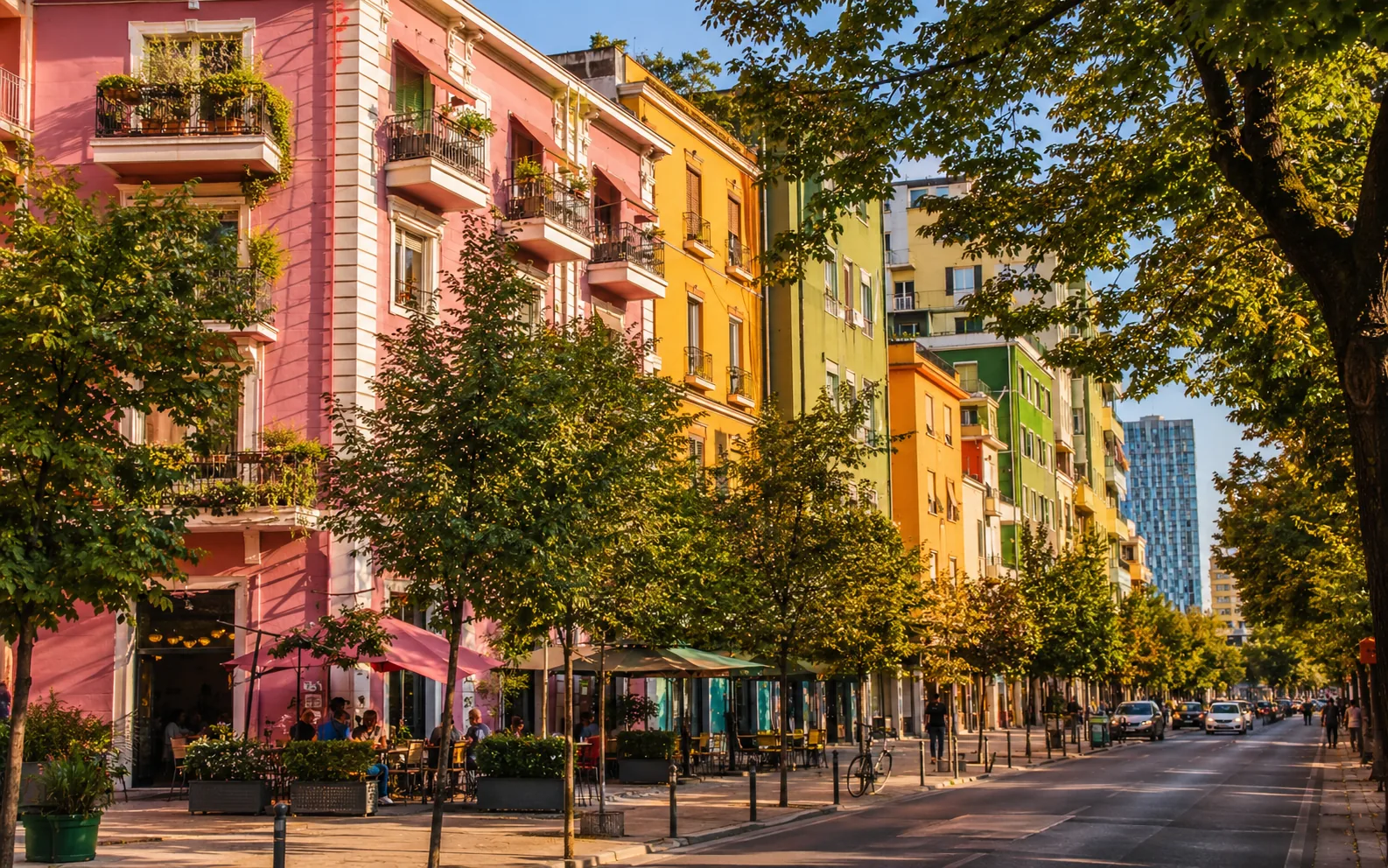
Global Property Guide has ranked Tirana first among Balkan capitals for real estate investment potential in its 2026 annual report, citing gross rental yields of 8.2 percent, a 22 percent year-on-year price increase in the premium Blloku district, and strong demand fundamentals driven by population growth and foreign buyer interest.
The report highlights the remarkable price differential that continues to attract international investors. Average per-square-meter prices in central Tirana remain between 1,500 and 2,200 euros — roughly one-third of equivalent neighborhoods in Athens and one-fifth of comparable areas in Rome or Barcelona. Yet rental yields significantly exceed those mature markets, creating what the report calls "the most compelling risk-adjusted return profile in Southeast Europe."
Foreign buyers now account for approximately 18 percent of all property transactions in Tirana, up from 9 percent in 2023. Italian, German, and Turkish nationals represent the largest groups, though American and British buyers have shown the fastest growth rate. The Albanian Riviera coast — particularly Saranda, Vlora, and Himara — has seen even more dramatic foreign interest, with some developments reporting over 60 percent of units sold to non-Albanian buyers.
Legal reforms introduced in 2025, including a digital property registry and streamlined title verification process, have significantly reduced the due diligence burden that historically deterred foreign purchasers. Albania's EU accession trajectory provides additional confidence in the long-term security of property rights.
Culture
April 22, 2026
Berat Castle Arts Festival Draws 40,000 Visitors Over Four Days
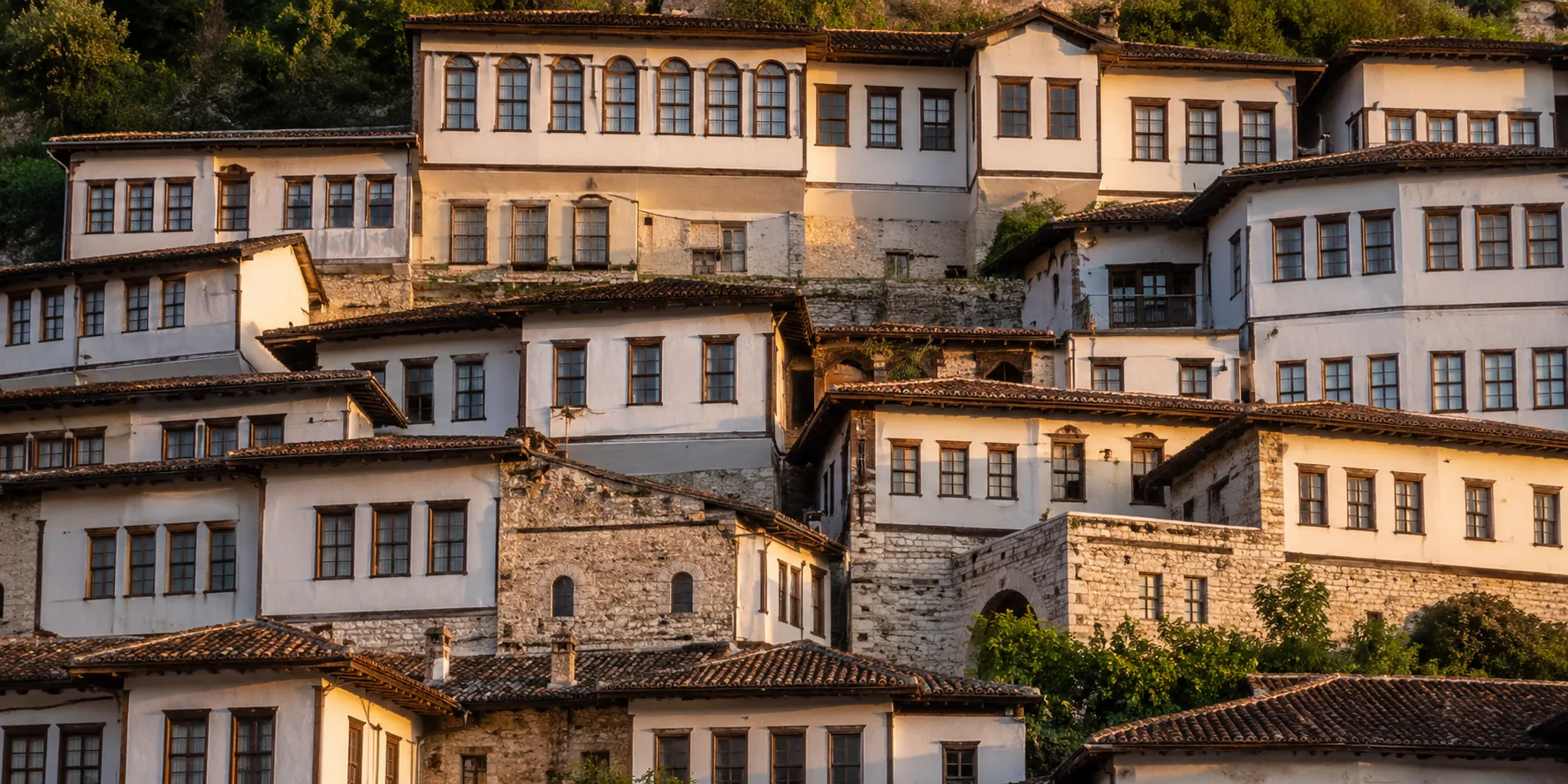
The third annual Berat Castle Arts Festival concluded with record attendance of 40,000 visitors over four days, establishing itself as one of the Western Balkans' most significant cultural events. Held within and around Berat's UNESCO World Heritage fortress, the festival featured 120 performances spanning traditional Albanian iso-polyphony, contemporary art installations, theater, and a curated gastronomy program showcasing Berat's distinctive cuisine.
International visitors accounted for approximately 35 percent of attendees, drawn by a lineup that this year included collaborations between Albanian folk musicians and electronic artists from Berlin and London. The festival's signature event — an evening iso-polyphony performance within the 13th-century Church of St. Mary of Blachernae — sold out within hours of tickets going on sale.
Berat's mayor credited the festival with transforming the city's tourism calendar. "Five years ago, Berat was a day-trip destination — visitors came from Tirana, saw the castle, and left. Now we are becoming a cultural destination in our own right, with visitors staying two or three nights and exploring the old quarters, the wineries, and the surrounding countryside." Hotel occupancy in Berat during the festival reached 96 percent, with overflow accommodation extending to neighboring Permet and Korce.
The festival also hosted a food program featuring Berat's traditional dishes, including tave elbasani, qifqi (rice balls), and locally produced wines from the Cobo and Nurellari wineries. Organizers have announced that the 2027 edition will expand to six days with an additional focus on Albanian contemporary cinema.
Tourism
April 15, 2026
British Airways Launches Direct London to Tirana Service
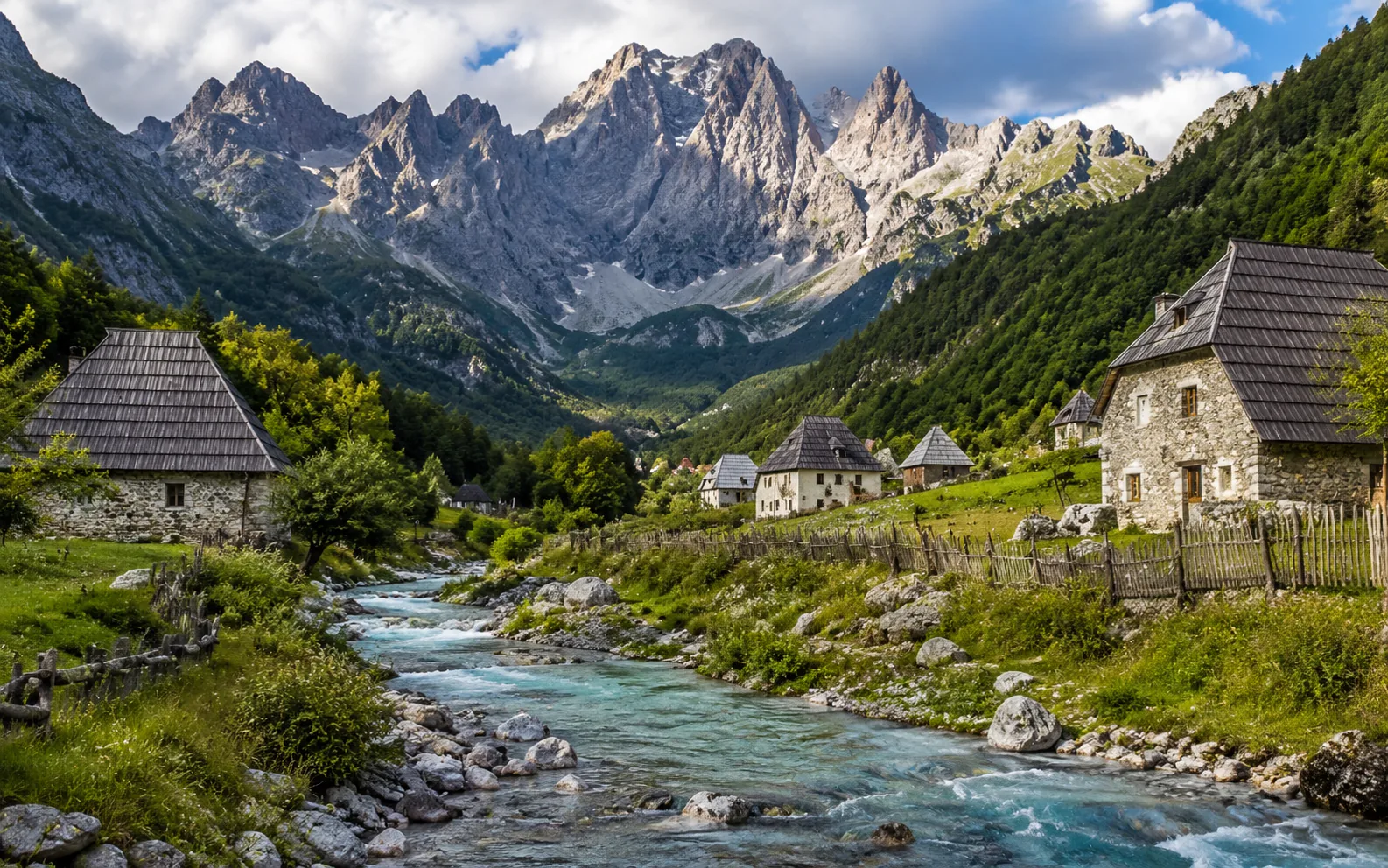
British Airways has launched four weekly nonstop flights from London Heathrow to Tirana International Airport, marking the first time a legacy carrier from the UK has operated scheduled service to Albania. The route operates on Airbus A320neo aircraft with flight times of approximately two hours and forty-five minutes.
The launch reflects Albania's rapid ascent in British travel preferences. Data from the Albanian tourism authority shows UK visitor numbers grew 67 percent in 2025, making Britain one of Albania's fastest-growing source markets. Demand has been driven by social media exposure, favorable exchange rates, and word-of-mouth from early adopters who discovered the Albanian Riviera as an alternative to increasingly expensive Greek and Croatian destinations.
British Airways' Country Manager for Southeast Europe described the decision as "responding to a clear shift in consumer demand. Albania offers the combination of stunning Mediterranean coastline, rich cultural heritage, and exceptional value that British holidaymakers are actively seeking. The feedback from our inaugural flights has been overwhelmingly positive." Return fares start from £89, significantly undercutting equivalent routes to Corfu, Split, or Dubrovnik.
The new service adds to existing connections operated by Wizz Air and Ryanair from multiple UK airports. Combined, Albania now has over 40 weekly flights from the UK — a tenfold increase from 2020 levels. The Albanian government expects the upcoming Vlora International Airport, planned for 2028, to further accelerate UK arrivals by providing direct access to the Riviera coastline.
Investment
April 10, 2026
Albania's IT Sector Posts 45% Revenue Growth in 2025

Albania's information technology sector posted 45 percent revenue growth in 2025, reaching a combined turnover of 620 million euros according to data released by the Albanian Investment Development Agency (AIDA). The sector now employs approximately 28,000 people directly, with an additional 15,000 in adjacent digital services, making it one of the country's fastest-growing employment sectors.
The growth has been driven primarily by nearshoring demand from Western European firms seeking cost-competitive alternatives to domestic development teams. Albanian software developers command average salaries of 18,000 to 30,000 euros annually — roughly one-third of equivalent roles in Germany or the UK — while operating in the same time zone and with high English proficiency. Major clients include firms from Italy, Germany, Switzerland, and the Netherlands.
Tirana's tech ecosystem has matured significantly, with several coworking spaces and incubators now operating in the Komuna e Parisit and New Bazaar districts. The University of Tirana's Computer Science department has doubled its enrollment since 2022, and private coding academies have proliferated to meet industry demand. Three Albanian tech companies achieved valuations above 50 million euros in 2025, a first for the country.
The government has supported the sector through tax incentives for IT companies, streamlined work-permit procedures for foreign tech workers, and investments in fiber-optic infrastructure that have brought average internet speeds in Tirana above 100 Mbps. AIDA projects the sector could reach 1 billion euros in annual revenue by 2028 if current growth trajectories hold.
Visa
March 28, 2026
Albania Extends Visa-Free Access for Gulf State Citizens
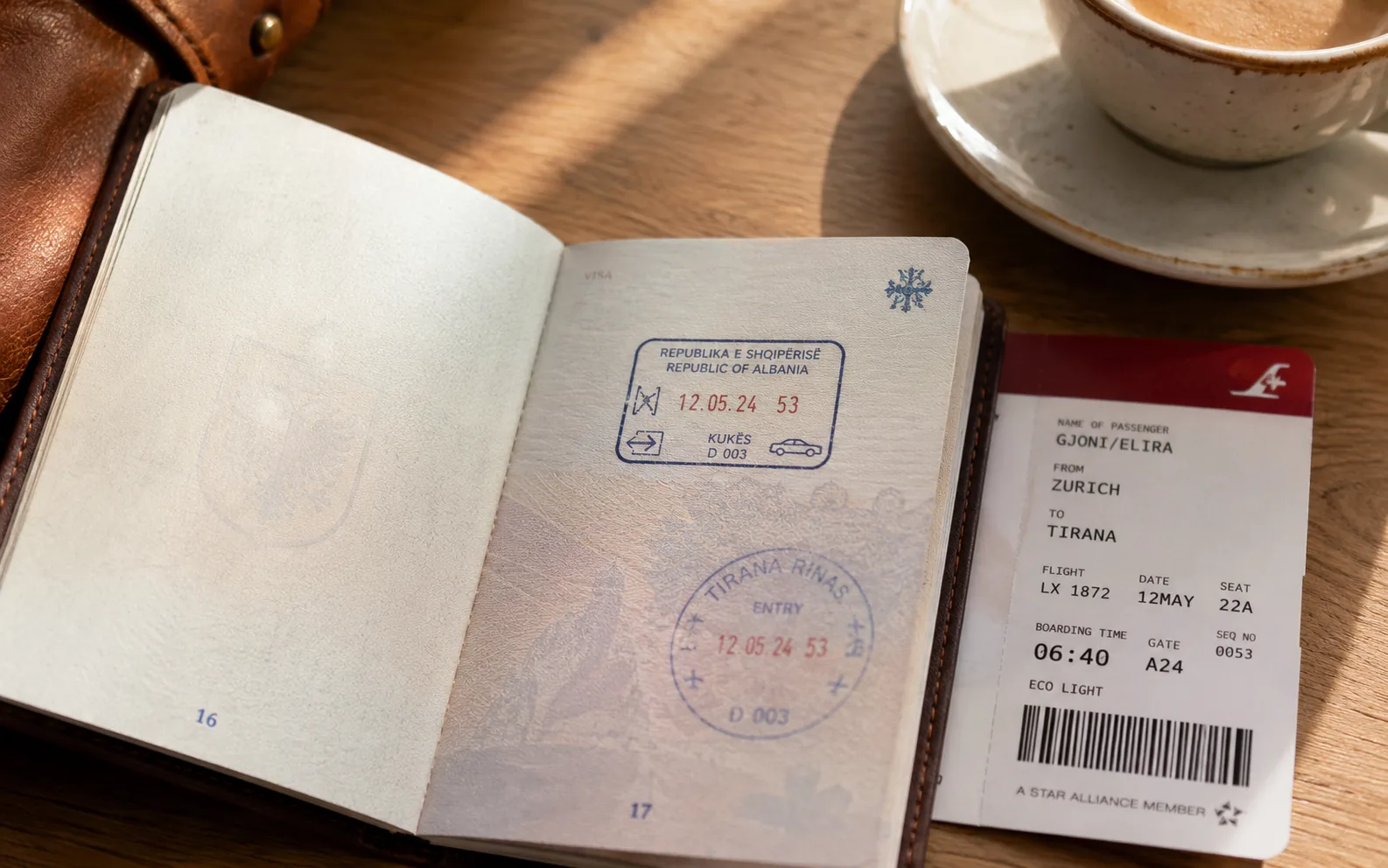
Albania has permanently extended visa-free entry for citizens of six Gulf Cooperation Council states — Saudi Arabia, the United Arab Emirates, Qatar, Kuwait, Bahrain, and Oman. The decision makes permanent a pilot program initially introduced in 2024, allowing GCC nationals to enter Albania for stays of up to 90 days within a 180-day period without a visa.
The policy has had a measurable impact on tourism patterns. Gulf state arrivals to Albania grew 280 percent in 2025, with UAE and Saudi nationals representing the largest groups. Visitors from the region tend toward longer stays and higher per-trip spending compared to European tourists, with particular demand for premium accommodation along the Albanian Riviera and cultural tourism in Berat and Gjirokaster.
Albania now offers visa-free access to citizens of over 90 countries, including all EU and Schengen states, the United States, Canada, Australia, the United Kingdom, Japan, and South Korea. Most nationalities can stay for 90 days within a 180-day period, though some benefit from extended summer access programs that Albania introduces seasonally to accommodate peak tourism demand.
The visa liberalization strategy is part of a broader government effort to position Albania as one of the most accessible destinations in the Mediterranean. Combined with competitive flight connections — Tirana now has direct service from over 60 cities — the open-door policy has been instrumental in driving the tourism boom that has transformed Albania's international profile.
Real Estate
March 18, 2026
Vlora International Airport Receives Final Approval — Construction Begins Q3 2026
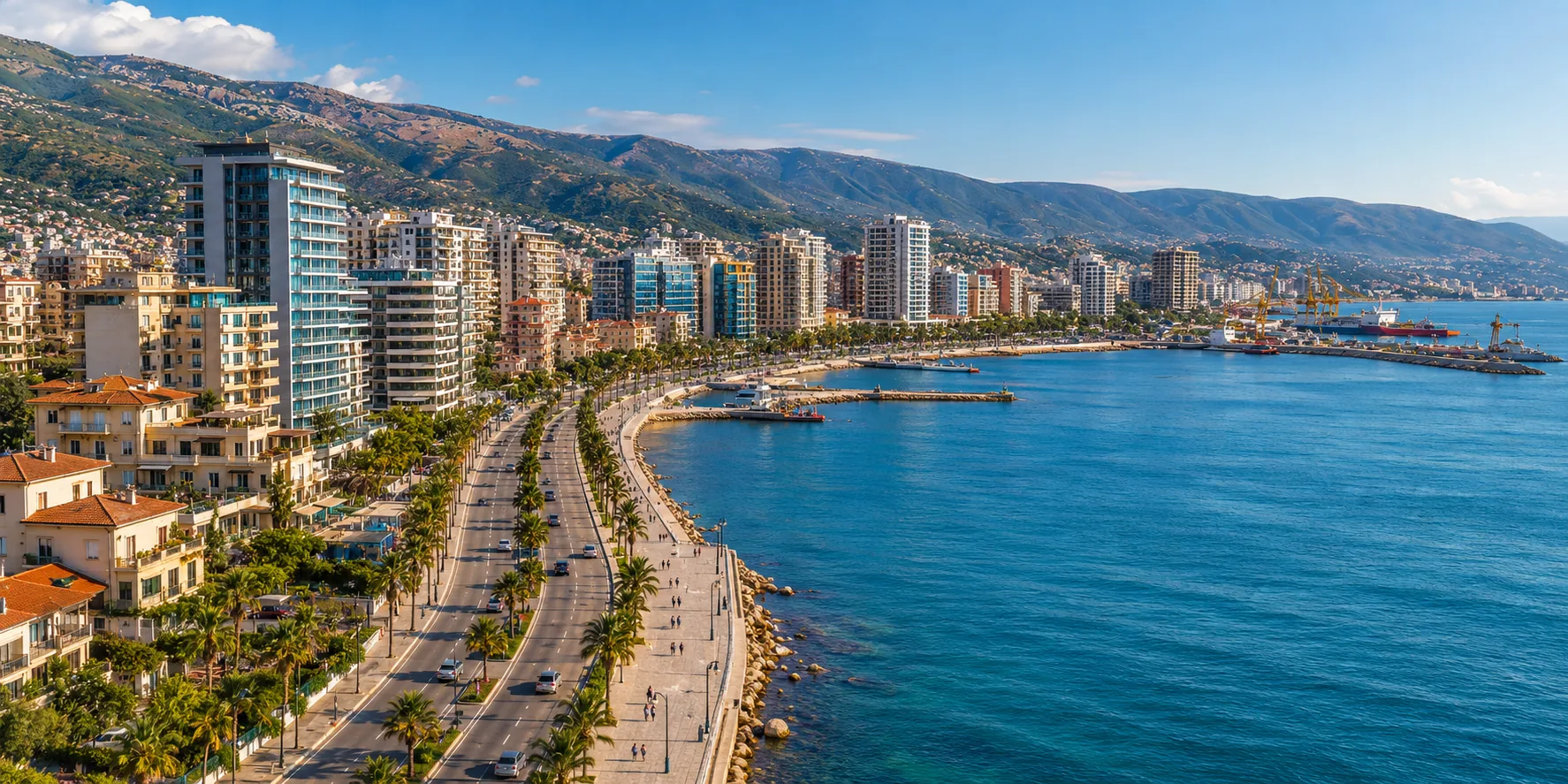
The Albanian government has approved the final environmental impact assessment for Vlora International Airport, clearing the last regulatory hurdle for the country's second international airport. Construction is now expected to begin in the third quarter of 2026, with an operational target of late 2028.
The airport, located approximately 8 kilometers northeast of Vlora city center, will serve as the primary gateway to the Albanian Riviera — the 120-kilometer coastal corridor from Vlora to Saranda that has driven much of Albania's tourism growth. Currently, Riviera visitors must fly into Tirana and face a four to five hour drive south; the new airport will reduce transfer times to under 30 minutes for most Riviera destinations.
Real estate analysts predict the airport will have a significant catalytic effect on property values along the southern coast. Early-stage developments in the Vlora, Orikum, and Dhermi areas have already seen price increases of 15 to 25 percent since the airport project gained momentum. A report by Colliers International projects that direct air access could increase Riviera visitor numbers by 40 percent within two years of the airport opening.
The project is being developed through a public-private partnership at an estimated cost of 104 million euros. The initial phase will accommodate 2 million passengers annually, with expansion capacity to 6 million. The airport will feature a single terminal with 12 gates, designed by a Dutch-Albanian architectural consortium that has incorporated earthquake-resistant construction standards and energy-efficient systems targeting LEED Gold certification.
No articles found in this category. Try selecting a different filter.